Batteries
Replace the batteries, or the whole UPS?
Flat batteries don’t always mean a new UPS. Often a battery replacement, sometimes with an extra cabinet for more runtime, is the cost-effective fix. Here’s how to tell.
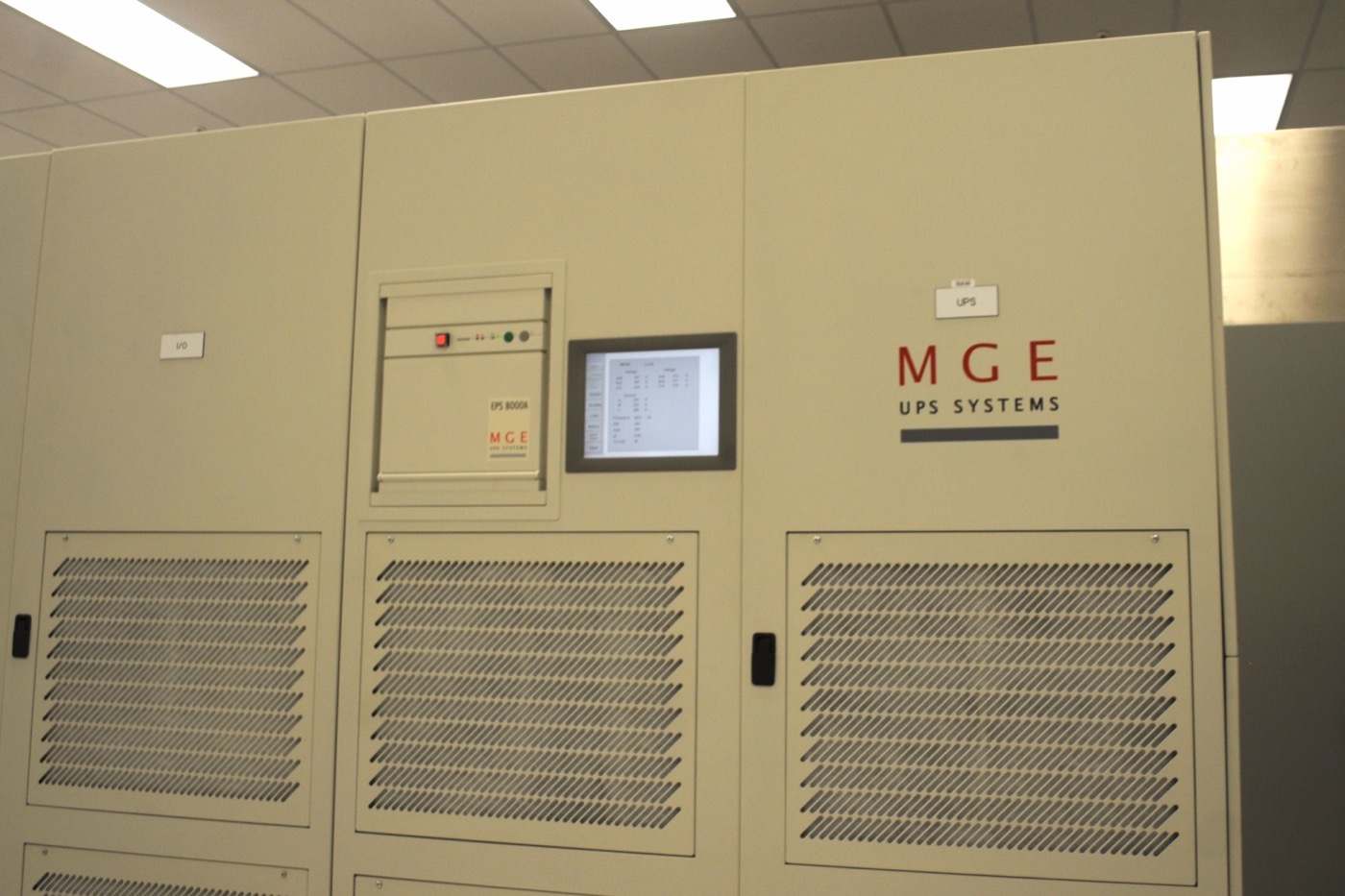
Batteries wear out long before the UPS does
This is the fact that decides most of these calls. VRLA (valve-regulated lead-acid) UPS batteries typically deliver three to five years of dependable service, and heat shortens that, every roughly 8 to 10°C of sustained temperature above 25°C cuts lead-acid life by about half. The power electronics, rectifier, inverter, control boards, usually run ten to fifteen years. So when a UPS drops the load on a power cut, the most common cause is simply that the battery string reached end of life, not that the unit did. In that case a battery replacement restores full protection at a fraction of a new system’s cost. For the detail on what sets battery life and how to read the warning signs, see how long a three-phase UPS battery lasts.
When fresh batteries are the right fix
Replace the batteries and keep the UPS when the electronics are healthy and the only thing that has aged is the string. The signs that point this way:
The unit is current and serviceable. The model is still supported, parts and battery cartridges are available, and the manufacturer or an independent service provider can still get spares.
The batteries are simply old. The string is in its third to fifth year, runtime has fallen off, or impedance readings have climbed against the commissioning baseline, but the UPS itself has no fault history.
The electronics test clean. No repeated alarms, no overheating fans, no failing capacitors. A unit that has been maintained and logs no recurring faults has years of service left once it is re-batteried.
Without recent test results, have the string measured first: a UPS battery testing and replacement service can read impedance and runtime against the original baseline before you commit to either path.
The load still fits. The UPS is correctly sized for what it feeds today, so there is no electrical reason to change the platform.
When fresh batteries are the answer, fit the matching replacement, correct chemistry, voltage and Ah for the exact unit, from a source that stocks the right cartridge, such as the replacement battery catalogue online. A wrong or generic substitute shortens life and can void the UPS warranty.
When a new unit is the better call
Re-batterying a tired UPS is throwing good money after bad if the rest of the unit is also near the end. Replace the whole UPS when:
The model is discontinued and parts are scarce. If spares for the electronics are no longer made, a battery swap only buys time until the next board fails, with no fix available. We cover this case in replacing a discontinued three-phase UPS.
It has had repeated electronic faults. Recurring inverter, rectifier or fan failures mean the platform is aging out, not just the battery.
It can no longer be monitored or serviced. No SNMP card available, no support contract possible, or no technician who can get inside it safely.
Your load has outgrown it. If the UPS now runs near or over its rating, a new battery does nothing for the real problem, you need more capacity.
You want a step-change in efficiency or lithium-ion. A current platform can cut conversion losses and, with lithium, last two to three times longer in a warm room. Those gains pay back over the life of the unit, not on day one.
One more rule worth stating plainly: a UPS already at end of life is usually not worth re-batterying. Spending on a fresh string for a unit that will be retired in a year or two rarely makes sense, that money is better put toward the replacement.
The cost math over remaining life
The honest comparison is not battery price against new-system price, it is cost per year of protection over the life you will actually get. A battery refresh is the smaller cheque and restores the unit to full runtime, but it only resets the battery clock, typically three to five more years; the electronics keep aging on their own timeline. A new system is the larger cheque, plus installation, commissioning and disposal of the old unit, but it resets everything and starts a fresh ten-to-fifteen-year electronics life.
Work it through against how much life the UPS has left. If the electronics are mid-life and sound, a battery replacement is almost always the lower cost per protected year, you get years of service for the price of a string. If the unit is near end of life, or you are facing a battery swap and a likely electronics repair within the same window, the new system often wins once you count the avoided second visit, the labour and the risk of an unsupported failure. Factor in efficiency too: on a large, heavily loaded UPS, the power saved by a modern high-efficiency unit can offset a real share of its cost over time.
Adding runtime: extra cabinet vs upsizing
A common reason people assume they need a new UPS is that they want longer runtime. Usually they don’t. If the UPS is correctly sized for the load and you only need more minutes on battery, the right move is an external battery cabinet sized to the new runtime target, not a bigger UPS. Adding cabinets extends backup time without touching the power path, and it is far cheaper than upsizing the whole system.
Upsizing the UPS is the answer to a different problem: not enough capacity for the load, or a load that has grown past what the unit can carry. If the issue is wattage, upsize; if the issue is minutes, add batteries. Two caveats on extra cabinets: the unit’s charger has to be able to recharge the larger bank in a reasonable time, and the floor has to take the added weight. We check both before quoting.
What we need to quote either
A quote, for batteries or for a replacement, hinges on the exact unit, because two models with almost the same name can take different cartridges and have different footprints. To quote accurately we need:
The nameplate. The model and part number from the rating label, ideally a clear photo of the nameplate. This is what pins down the right battery cartridge or the correct replacement platform.
The load. What the UPS feeds today, in kW or kVA, so we can confirm the unit is right-sized or specify a replacement that fits.
The runtime target. How many minutes you need on battery, which tells us whether the existing battery configuration is enough or whether an added cabinet is in order.
With the nameplate, the load and the runtime target, we can tell you whether fresh batteries solve it, whether an extra cabinet gets you the runtime, or whether a new unit is the better spend, and quote the right one the first time.
When a new unit is the better spend, current models are in the three-phase UPS systems online.
Frequently asked questions
How long do three-phase UPS batteries last?
Usually three to five years for VRLA, and heat shortens it, life roughly halves for every 8 to 10°C above 25°C. Lithium-ion lasts longer and tolerates higher temperatures, at a higher up-front cost. The UPS electronics typically run ten to fifteen years, well beyond the battery.
Should I replace the batteries or the whole UPS?
Replace just the batteries when the unit is current, serviceable and tests clean, the string aging out is normal at three to five years. Replace the whole UPS when the model is discontinued with scarce parts, it has repeated electronic faults, it can no longer be monitored or serviced, or your load has outgrown it. A unit already at end of life is usually not worth re-batterying.
Can I add runtime without a bigger UPS?
Yes, in most cases we add an external battery cabinet sized to your runtime target, which is far cheaper than oversizing the UPS. Upsizing the UPS is only needed when the load itself has grown, not when you simply want more minutes. We confirm the charger can recharge the larger bank and that the floor takes the weight.
Why do you need my exact model for a battery quote?
Because near-identical model names can use different battery cartridges. The nameplate model and part number, ideally a photo, plus your load and runtime target let us quote the right battery, the right cabinet, or the right replacement the first time.
Related guides and systems
Request a system quote
Tell us the application and we reply within 4 business hours with the sizing, the right system, the installation and a written quote. Three-phase installs usually need a licensed electrician, so let us know if you have one.
Brand names are trademarks of their owners and are used only to identify the equipment we service. We are not the manufacturer and are not affiliated with it.