Maintenance
Three-phase UPS preventive maintenance, across Canada
A UPS only proves itself during a power cut. Preventive maintenance is how you make sure it will, on one unit or a fleet spread across the country.
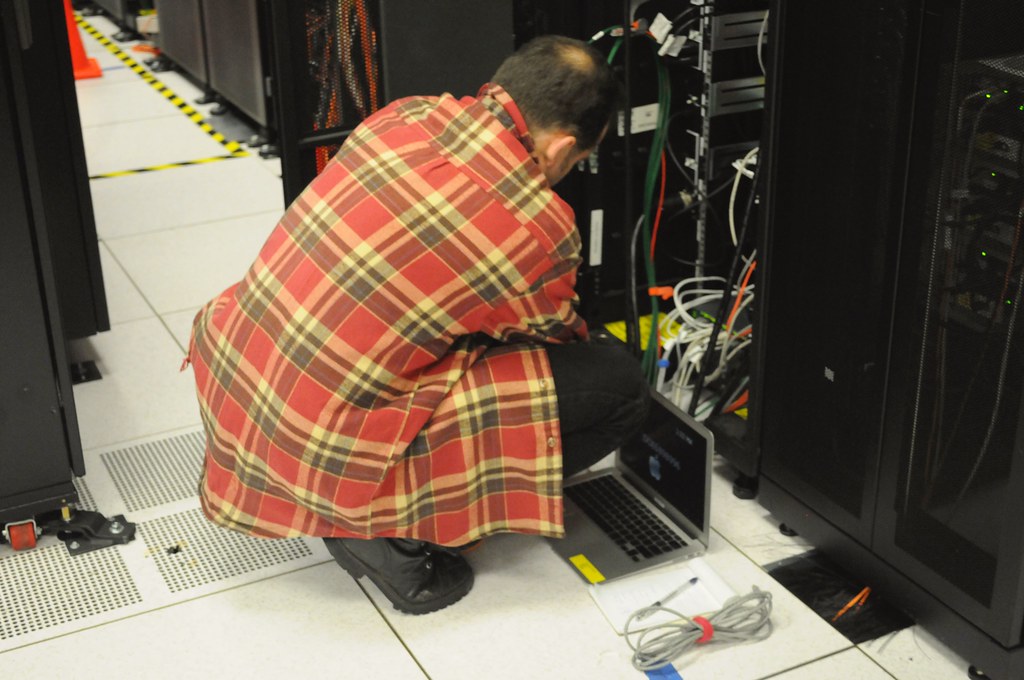
Why preventive maintenance matters
A three-phase UPS sits between the utility and a load that cannot afford to go dark. When one drops the load, the cause is rarely the inverter or the control logic. It is almost always something that was wearing out in plain sight: a battery string past its life, a dried-out capacitor, a clogged filter, a fan that stopped turning. All of it is visible on a scheduled visit, and all of it is fixable before it becomes an outage.
Preventive maintenance (PM) is the difference between catching a weak battery on a Tuesday afternoon and discovering it during the next power event. It protects the warranty, most manufacturers require documented service to keep coverage valid, and it builds the data to plan an orderly end-of-life replacement instead of an emergency one. The unit will not tell you it is about to fail. A proper PM will.
What a proper PM visit covers
A real visit is a checklist, not a glance at the front panel. A qualified engineer should work through every item below, record the readings, and flag anything trending the wrong way:
- Visual inspection. Corrosion, swelling, leaks, discoloured terminals, dust build-up and any sign of overheating on boards, busbars and cabling.
- Connection torque. Re-torque DC and AC power connections to spec. Loose joints run hot and are a common cause of failure on three-phase gear.
- Infrared / thermal scan. Thermography under load finds hot connections and overloaded components before they char, without shutting anything down.
- Battery test and impedance. Measure per-cell or per-block voltage and internal impedance, check ambient temperature, and compare against baseline. Impedance climbs long before a string fails outright.
- Capacitor condition. Inspect DC bus and AC output capacitors for bulging, venting or leakage, and check service age against expected life.
- Cooling fans, airflow and filters. Verify every fan spins freely, confirm airflow is unobstructed, and clean or replace air filters.
- Firmware and event-log review. Pull the event log, look for recurring alarms or transfers, and confirm firmware is current.
- Transfer and bypass functional test. Confirm the unit transfers to battery and to static bypass cleanly, and that the manual maintenance bypass operates correctly.
That last item matters more than it sounds. A static bypass that does not transfer cleanly turns a routine event into a dropped load, so it gets tested every visit, not assumed. Most planned work on a single site is completed in one visit, scheduled around your operations.
Wear parts and typical life
Three things age out of a UPS on a predictable schedule, and a good PM program replaces them on time rather than on failure.
Batteries are the shortest-lived part. VRLA strings typically last three to five years; heat shortens that fast, and a cabinet running a few degrees warm can halve service life. Impedance trending tells you which string is going before it lets go. See how long a three-phase UPS battery lasts for the detail.
Capacitors are next. DC bus and AC filter capacitors typically carry a five-to-ten-year service life, after which their ability to smooth the bus degrades and the risk of a vent or failure climbs. Proactive capacitor replacement on schedule is far cheaper than the collateral damage from one letting go in service.
Cooling fans typically run five to seven years. A failed fan lets components run hot, which in turn shortens the life of everything around it, capacitors most of all. Planned fan replacement keeps the thermal picture under control and is a fraction of the cost of the parts a hot cabinet will cook.
The pattern is the same for all three: replace on a known interval, before failure, while the unit is online and the work is scheduled. Reacting to a failed part means an unplanned shutdown and, often, more damage than the part itself.
Recommended intervals
For most three-phase critical loads, semi-annual PM is the working standard and annual is the minimum. Two visits a year let you catch battery and thermal trends between events and keep the warranty documentation current.
Push toward more frequent service when the environment is harder on the equipment: hot rooms, dusty or industrial sites, cabinets running near capacity, or any load where downtime is simply not an option. A clean, climate-controlled data hall can often run on an annual cycle; a UPS in a warm mechanical room or a dusty plant earns quarterly attention. Battery checks in particular benefit from being more frequent than the full PM, because that is where most failures start. For larger estates, remote monitoring flags power events and battery health between visits, so a weak battery or a failed fan is caught before it becomes an outage.
Fleets, site access and record-keeping
We maintain individual units and multi-site fleets anywhere in Canada, on a schedule that suits the criticality of each site. Many sites have access rules, contractor orientation, safety programs, compliance platforms. Tell us the requirements up front and we will meet them, coordinate the visit window, and keep the work to a single planned outage where the design allows.
Every visit should leave a paper trail: battery impedance and voltage readings, capacitor age, fan replacements, firmware version, event-log notes and any parts changed. That record does two jobs. It keeps the manufacturer’s warranty valid, most require proof of scheduled service, and it builds the trend data that tells you when a unit is genuinely near the end of its useful life rather than guessing.
When does the service record point to replacement?
When impedance is climbing across multiple strings, capacitors are past life and parts are getting harder to source, that record makes a replacement decision an evidence-based one.
We service every major three-phase platform, Eaton 93PM, APC Galaxy, Vertiv Liebert and others, and as a Canadian UPS service and supply provider (since 2012) we maintain units regardless of who sold them. Tell us the model, the site conditions and the battery age, and we will build a PM schedule that fits the load.
Scheduled visits are described on the UPS preventive maintenance service page, and battery strings for those visits come from the replacement battery range.
Frequently asked questions
How often should a three-phase UPS be serviced?
Semi-annual preventive maintenance is the working standard and annual is the minimum. Two visits a year catch battery and thermal trends between power events. Hot, dusty or heavily loaded sites should move to quarterly service, and battery checks in particular benefit from being more frequent than the full PM.
What does a UPS preventive maintenance visit include?
A proper PM is a checklist: visual inspection, connection torque, an infrared thermal scan, battery testing and impedance with ambient temperature, capacitor condition, cooling fans and filters, firmware and event-log review, and a functional test of the transfer and static-bypass paths. Every reading is recorded for trend analysis.
How often do UPS capacitors and fans need replacement?
DC bus and AC filter capacitors typically carry a five-to-ten-year service life; cooling fans typically run five to seven years. Both are best replaced on schedule, before failure, a failed fan lets the cabinet run hot and shortens the life of everything around it, and a capacitor that vents in service can do far more damage than the part itself.
Do you maintain UPS fleets outside Quebec, and within our compliance program?
Yes. We service single units and multi-site fleets anywhere in Canada, scheduled to each site’s criticality. Tell us the contractor-orientation and site-access requirements up front and we will meet them, coordinate the visit window, and keep the work to a single planned outage where the design allows.
Related guides and systems
Request a system quote
Tell us the application and we reply within 4 business hours with the sizing, the right system, the installation and a written quote. Three-phase installs usually need a licensed electrician, so let us know if you have one.
Brand names are trademarks of their owners and are used only to identify the equipment we service. We are not the manufacturer and are not affiliated with it.